
Understanding Neurodiversity
Neurodiversity Celebration Week
March 16 - 20, 2026
Each March, communities around the world recognize Neurodiversity Celebration Week, a global initiative that challenges stereotypes about neurological differences and highlights the many strengths and talents of neurodivergent individuals.
The week encourages schools, organizations, and communities to build more inclusive environments that celebrate differences and support every individual to thrive.
At ABC Head Start, we are passionate about this work. Supporting neurodiversity is an integral part of how we interact with children and families every day. We are proud to take part in this initiative and to continue expanding awareness, understanding, and inclusive practices within our community.
To continue the conversation, we invite you to explore our latest articles, where we take a closer look at neurodiversity, inclusive language, and how we support children with diverse ways of thinking and learning.
Children think, learn, communicate, and experience the world in many different ways.
At ABC Head Start, we work closely with families to support these differences and create inclusive, intentional environments where every child can thrive. This page shares resources to help parents and caregivers better understand neurodiversity.
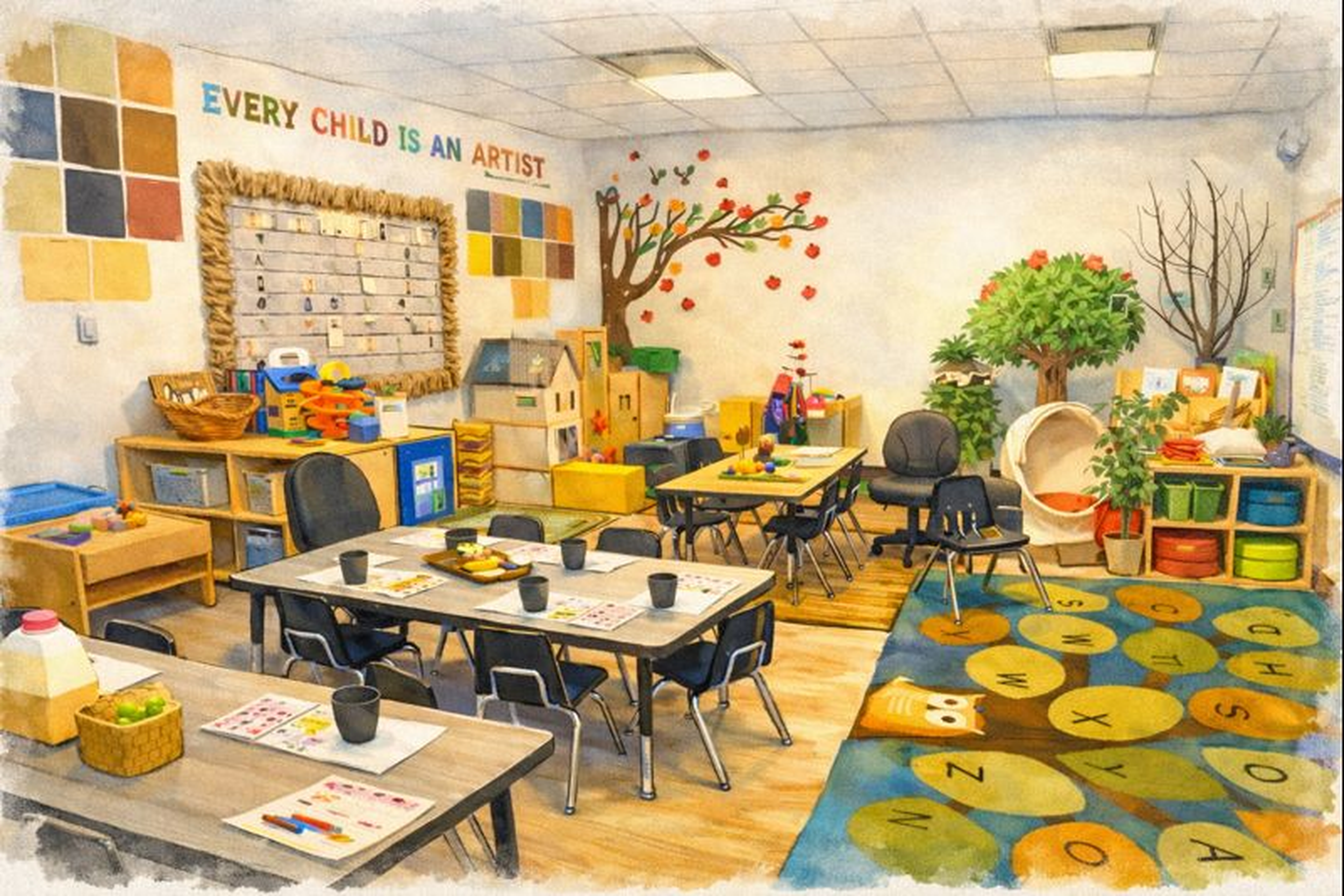
Creating Spaces Where Neurodivergent Children Thrive
At ABC Head Start, inclusion guides how we design intentional learning environments for children and families. Discover how our interdisciplinary teams create inclusive classrooms and supports that help children with diverse developmental needs thrive.
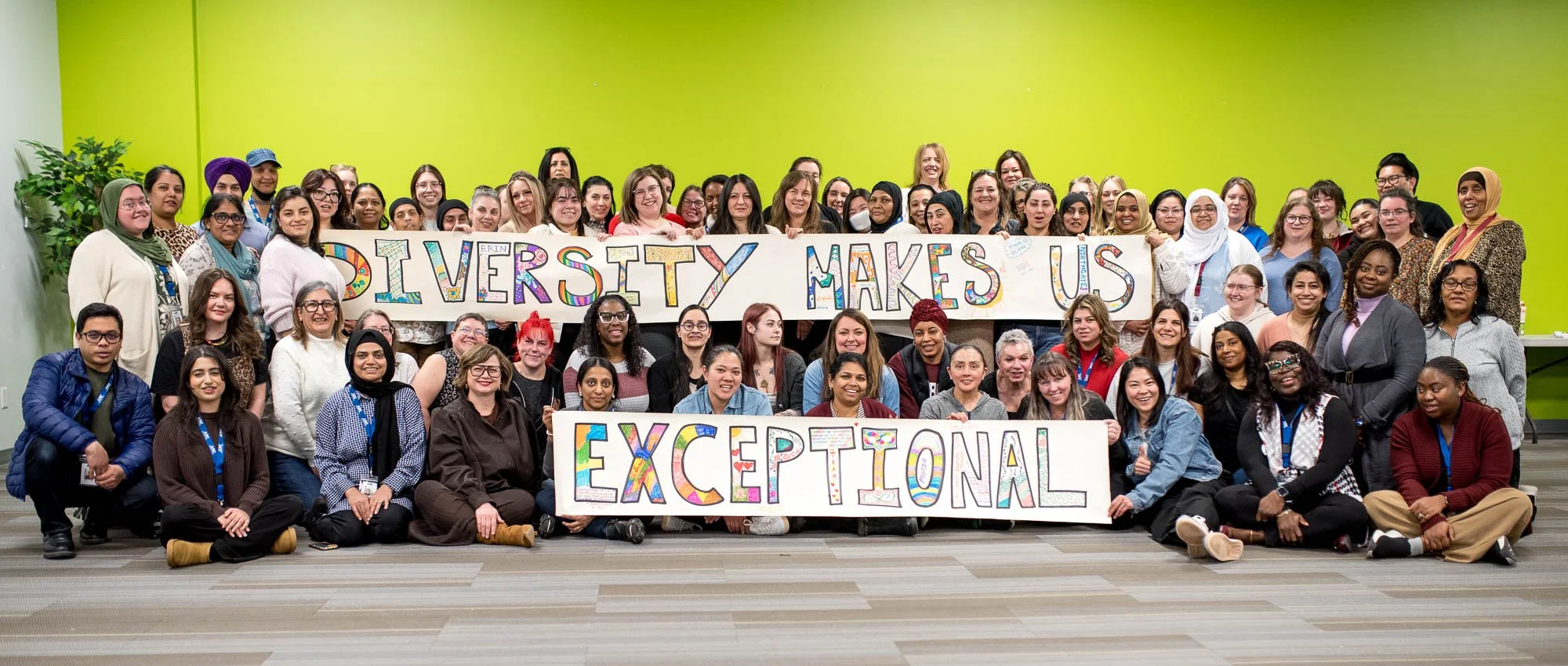
Celebrating Neurodivergent Strengths
At ABC Head Start, neurodiversity is something we celebrate. In this article, members of our team share their personal experiences with neurodivergence and reflect on how their perspectives help create understanding, empathy, and connection in our classrooms.
“Neurodiversity is a recognition that differences in thinking and development are a normal part of being human. ”
Language, Identity, and Why Words Matter: Understanding Neurodiversity
In programs where children learn and grow together, families often bring a wide range of experiences and perspectives. ABC Head Start serves an incredibly diverse population. 80% of our families report a country of origin other than Canada, 66% of them speak a primary language other than English, and the children we serve are very diverse in the way they think, grow, and experience the world. For example, many of our children have an autism diagnosis, some have behavioural or sensory processing differences, and each child is on their own path when it comes to language development. Every child is unique, and all their personalities contribute to the mosaic of diversity that we treasure at ABC Head Start. We believe diversity is what makes our community exceptional, and that includes Neurodiversity.
What Is Neurodiversity?
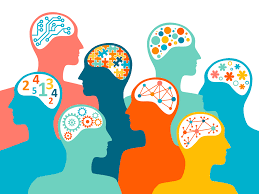
Neurodiversity refers to the natural variety in how human brains work.
Just as children differ in personality, interests, and learning styles, they also differ in how they process information, communicate, move, regulate emotions, and experience the world. Neurodiversity includes everyone—both neurotypical and neurodivergent people.
Importantly, neurodiversity is not a diagnosis.
Just as “diversity” describes all the different ways people look, speak, cook, and live, “neurodiversity” describes all the different ways people think!
What Is Neurotypical?
Neurotypical refers to people whose development and thinking align with what most systems are designed for.
Because schools, programs, and routines are often built around neurotypical expectations, neurotypical children may encounter fewer barriers in those settings. This does not mean they are better or more capable—it simply reflects how systems are structured. In Canada, an estimated 1 in 20 people are neurodiverse (SafeCare BC, 2025).
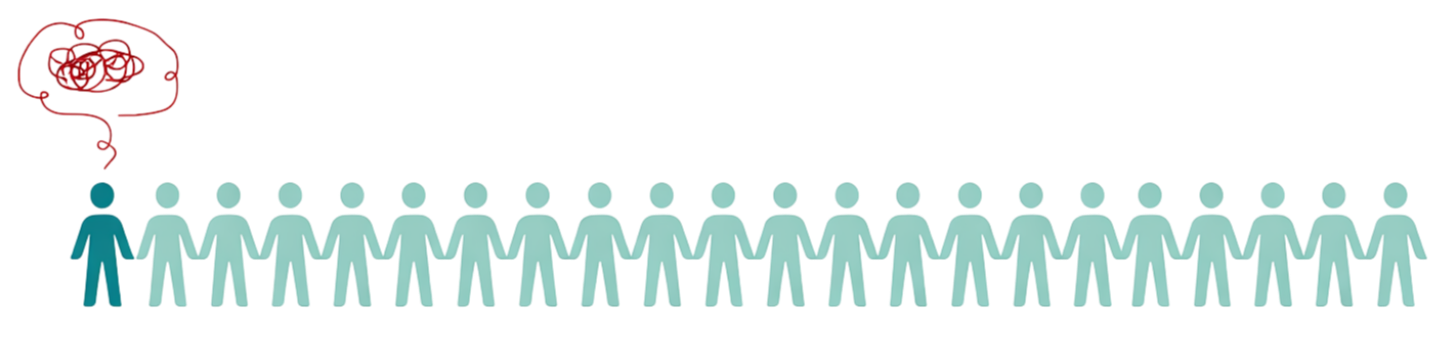
In Canada, it’s estimated that 1 in 20 people are neurodivergent.
What Does Neurodivergent Mean?
Neurodivergent describes people whose brains work differently from what is considered typical or expected by society.
This may include children and adults who are autistic, have ADHD, learning differences, or other neurological differences. For some families, these differences come with challenges—especially in systems that are not designed to be flexible or inclusive. At the same time, many neurodivergent children also have unique strengths, perspectives, and ways of engaging with the world.
Neurodivergence is not something to “fix.” It is a difference that can be supported, understood, and affirmed.
Conscious Language: Person First and Identity First Approaches
Another important—and often nuanced—aspect of neurodiversity affirming practice is how we talk about people with diagnoses.
Some individuals and families prefer person first language, such as “a child with autism.” This approach emphasizes the person before the diagnosis and is commonly used in medical, educational, and early childhood contexts. For some families, especially when children are young, person first language feels respectful and protective.
At the same time, many autistic adults and other neurodivergent individuals prefer identity first language, such as “autistic person.” For them, autism is not something separate from who they are—it is an integral part of their identity, shaping how they perceive, think, and experience the world. Using identity first language can be an act of pride, self acceptance, and reclamation.
There is no single “right” or “wrong” way to use this language in the abstract.
What matters most is how the person understands themselves and how they wish to be referred to.
Listening First: Respecting Self-identification
In neurodivergent affirming practice, the most respectful approach is to listen and adapt. This means:
Asking individuals how they prefer to be described
Honouring the language people use for themselves and their families
Recognizing that preferences may differ between children, parents, and adults
Understanding that language choices are shaped by culture, experience, and system interactions
When working with children, families, or adults with diagnoses, conscious language requires curiosity rather than assumption. It invites us to recognize that systems have historically imposed labels and narratives on neurodivergent people, often without their input. Respecting selfidentification is one way to shift that power dynamic.
Why This Matters in Practice
In early childhood, education, and support services, language influences expectations, relationships, and outcomes. The words we use can either reinforce deficit based thinking or create space for dignity, agency, and belonging.
When we are intentional about how we use terms like neurodiversity, neurodivergent, and neurotypical—and when we respect individual language preferences—we create environments that are safer and more affirming for everyone.