
The Hidden Superpowers of Teddy Bears: How Stuffed Animals Help Support Big Emotions
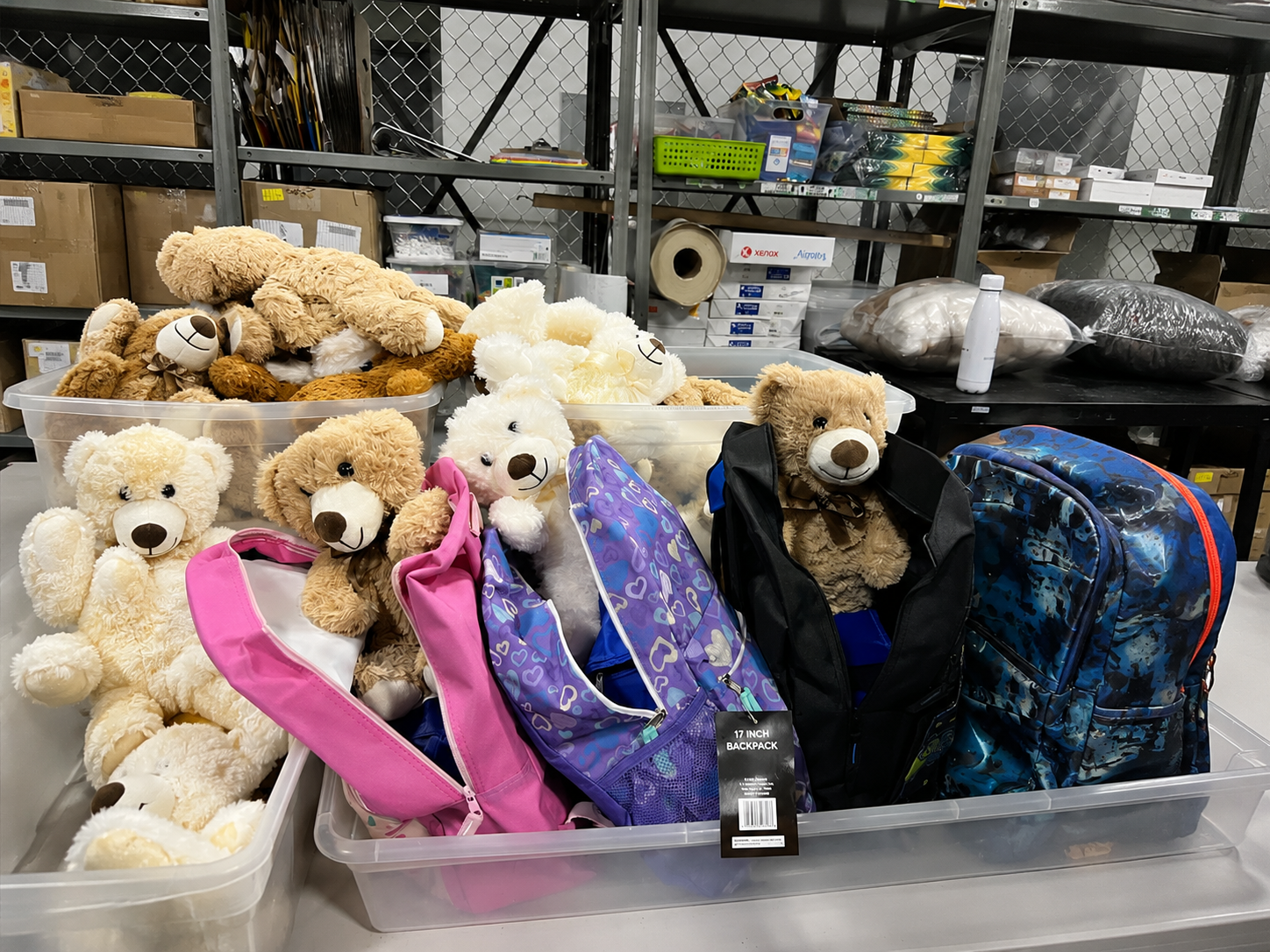
Thanks to the generous support of Shanti Life, we were able to include a special teddy bear in every Literacy Backpack this year. Each backpack also included a story featuring three teddy bear characters - inspired by the backpack bears themselves. Through their different personalities and strengths, the story celebrates an important message we share with the children at ABC Head Start: everyone is unique, everyone has something special to offer, and our differences make our community stronger.
So while a teddy bear in a backpack may seem simple, these cuddly pals were chosen with purpose. For many neurodivergent children, a stuffed animal can be a source of comfort, emotional support, and sensory regulation. Come explore their hidden superpowers in this Early Years Exchange.
READ OUR TEDDY BEARS’ STORY HERE!
Walk into almost any home with children, and you'll probably find a beloved teddy bear or stuffed animal tucked into a bed, carried around the house, or accompanying a child on daily adventures.
To many adults, these plush companions may seem like simple toys. But for many children a stuffed animal can be so much more. These soft companions often become trusted friends, sources of comfort, sensory supports, communication tools, and confidence boosters all rolled into one.
Let's explore why these cherished companions can play such an important role in a child's development and well-being.
A Source of Comfort in an Overwhelming World
For many neurodivergent children, everyday environments can be filled with sensory challenges. Bright lights, loud sounds, crowded spaces, unfamiliar people, and sudden changes can all feel overwhelming.
In these moments, a stuffed animal offers something incredibly valuable: familiarity.
Unlike the world around them, a favourite teddy bear feels the same every time it is hugged. It provides a consistent texture, a familiar scent, and a comforting presence. This predictability can help children feel grounded when everything else feels uncertain.
Research has found that comfort objects can help children cope with stress, anxiety, and transitions by providing emotional security and reassurance (Lookabaugh & Fu, 1992).
Helping Children Manage Big Emotions Through Sensory Support
Every child experiences big emotions, but for many neurodivergent children, those emotions can feel especially intense and difficult to manage. When children become overwhelmed, anxious, frustrated, or overstimulated, a trusted stuffed animal can become a valuable tool for comfort and regulation.
One reason stuffed animals can be so helpful is that they provide sensory input. Many children have strong preferences when it comes to textures. Some children are drawn to soft, fuzzy fabrics, while others may prefer silky, smooth, weighted, or even textured materials. At the same time, certain textures may feel uncomfortable or overwhelming.
Parents and caregivers can support their child by paying attention to these preferences. If a child consistently gravitates toward a particular blanket, stuffed animal, or fabric, that preference may offer clues about what sensory experiences help them feel calm and regulated. Providing stuffed animals with textures your child enjoys can give them a comforting tool to use during stressful moments.
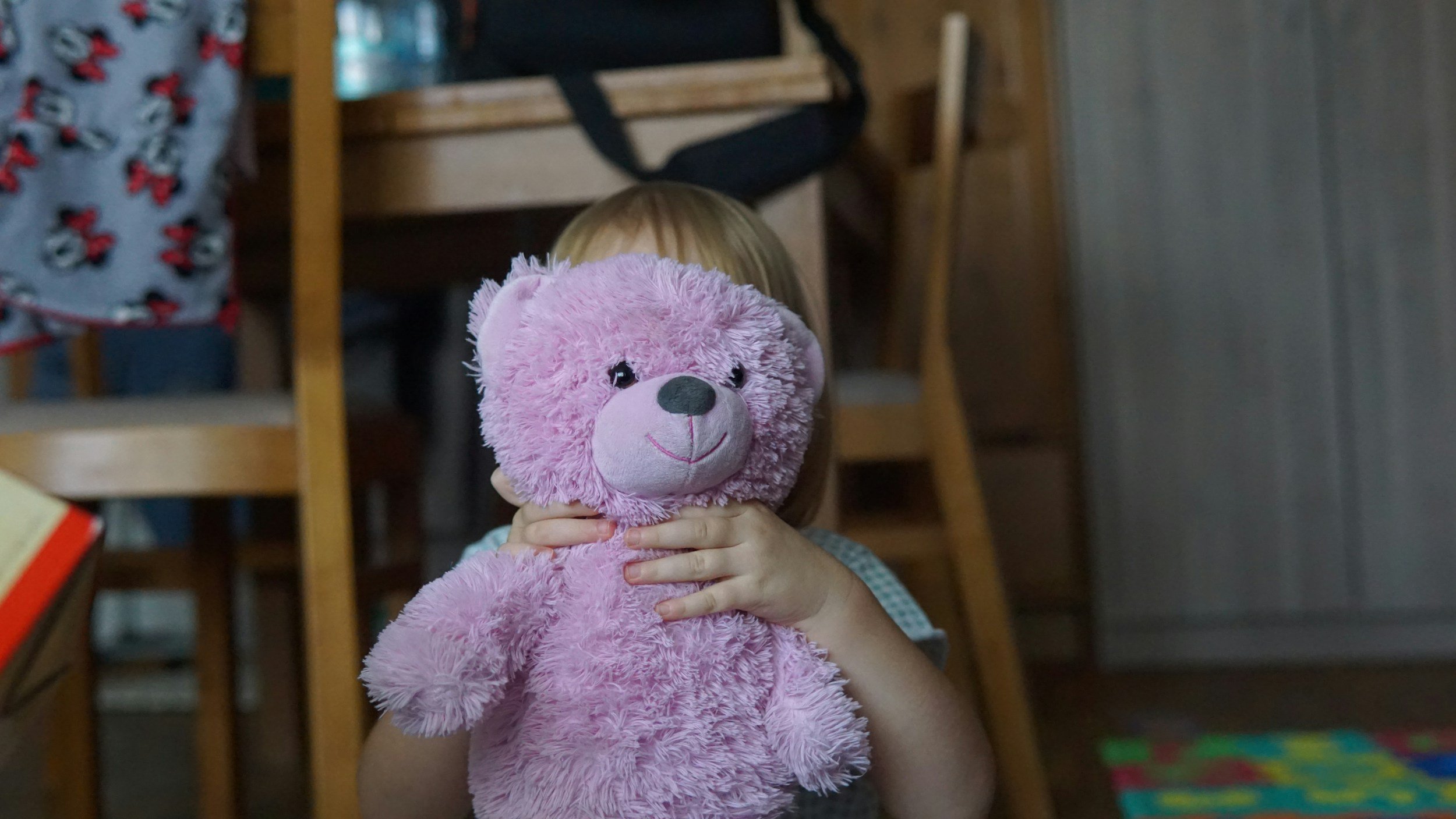
Stuffed animals can also become part of a child's emotional regulation routine. Some children find comfort in hugging a favourite teddy when they feel upset. Others may benefit from stroking the fabric, squeezing the toy, or simply keeping it nearby during challenging situations. These actions can provide calming sensory input that helps children feel more in control of their emotions.
Parents can also use stuffed animals as a bridge for emotional conversations. When a child is struggling to explain how they feel, it may be easier to ask questions like: “How is Teddy feeling right now?” or “What does Bear need to feel better?”
These questions can help children identify emotions and practice problem-solving in a safe, non-threatening way.
Most importantly, there is no "right" way for a child to use a comfort object. Whether a stuffed animal is used for cuddles, sensory regulation, pretend play, emotional expression, or simply companionship, its value comes from the sense of comfort and security it provides. By respecting a child's connection to these cherished companions, parents can support emotional development while helping children build lifelong self-regulation skills.
How Stuffed Animals Can Help
+ They Provide Sensory Regulation
Many neurodivergent children experience differences in sensory processing. Some seek sensory input, while others become overwhelmed by too much stimulation.
The soft texture of a stuffed animal can provide calming tactile input that helps regulate the nervous system. Squeezing, stroking, or cuddling a favourite plush toy can become a natural self-regulation strategy during stressful or overwhelming moments.
Stuffed animals can also offer consistency when the world feels unpredictable. While environments may change and sensory input can fluctuate, a beloved teddy bear remains familiar and reassuring. For some children, weighted stuffed animals may provide additional comfort through gentle deep-pressure input, similar to a weighted blanket.
+ They Help Manage Big Emotions
Children experience frustration, disappointment, excitement, anxiety, and sadness just like adults do—but they may not always have the tools to process those emotions.
Stuffed animals often become trusted companions during difficult moments. A familiar teddy bear can provide comfort during times of stress, help children feel safe when they are overwhelmed, and offer reassurance during new or challenging experiences.
For many children, simply holding a favourite stuffed animal can help them feel calmer, more secure, and better able to cope with big emotions.
+ They Encourage Emotional Expression
When feelings are difficult to explain, parents and caregivers can invite children to talk through their teddy instead.
Try asking:
"How can we help Teddy feel happy?"
"What happened to Bear today?"
"What does Bear need to feel better?"
"Can Teddy show me where he's feeling worried?"
Talking through a stuffed animal often feels safer than talking directly about themselves. This approach can help children identify emotions, develop emotional awareness, and build confidence in expressing their thoughts and feelings.
+ They Build Confidence Through Play
Play is one of the most important ways children learn about the world around them.
Pretend play helps children practice:
Communication skills
Problem-solving
Turn-taking
Creativity
Emotional understanding
Social interactions
Whether they're hosting a tea party, creating an adventure, or acting out everyday situations, children are learning valuable skills through play.
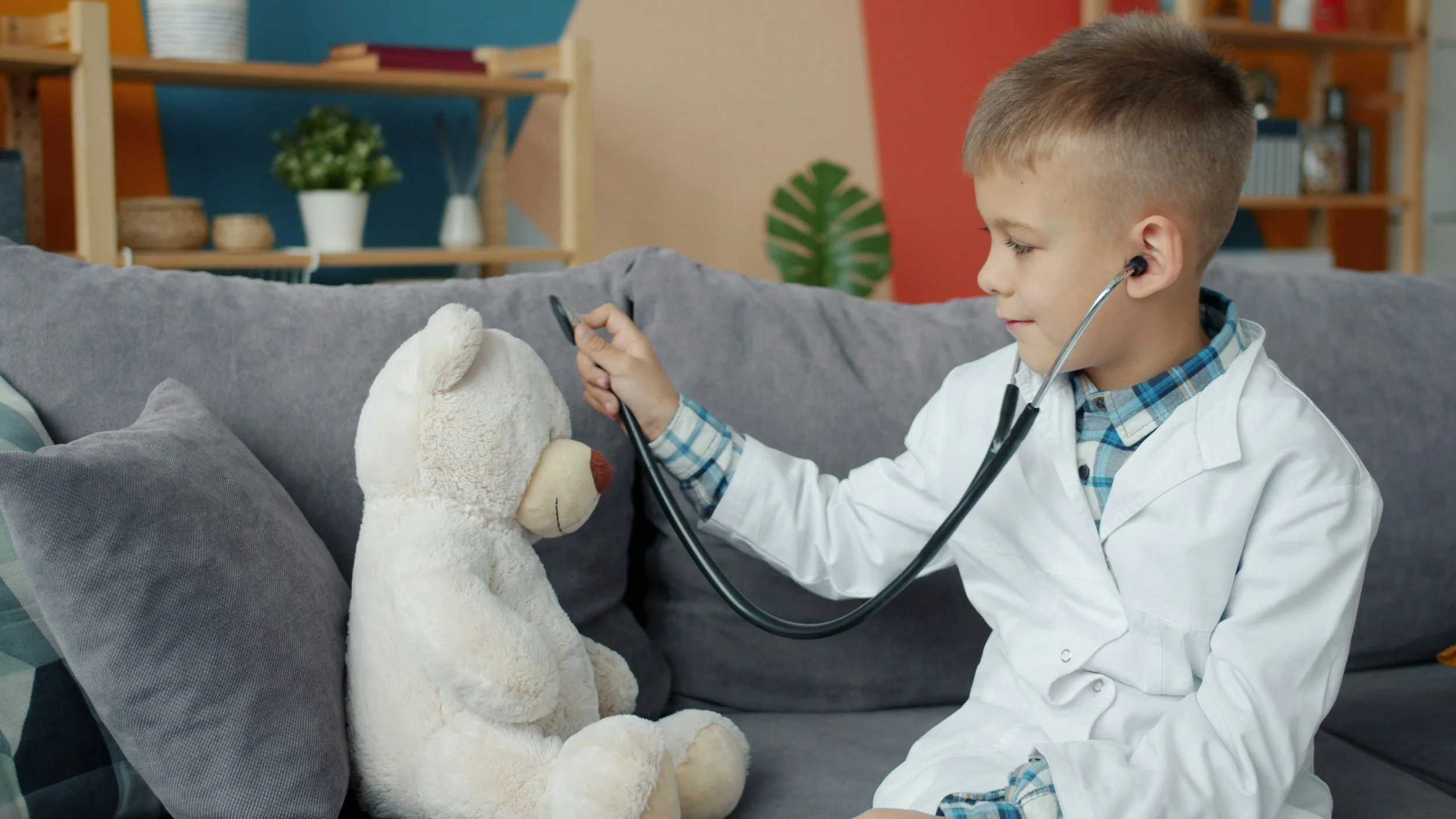
A teddy bear can also provide confidence during new experiences such as starting school, visiting the doctor, attending therapy, or participating in a new activity. Having a trusted companion nearby can make unfamiliar situations feel a little less intimidating.
+ They Support Bedtime Routines
Many children find comfort having their teddy nearby at bedtime because it:
Creates a sense of safety and security
Provides familiarity and predictability
Helps establish a calming bedtime routine
Offers reassurance during the night
Supports relaxation before sleep
For neurodivergent children who experience anxiety, sensory sensitivities, or difficulty with transitions, a favourite stuffed animal can become an important part of settling down for the night and feeling safe enough to rest.
More Than Just a Toy
The next time you see a child carrying a well-loved teddy bear, remember that there may be much more to the story than meets the eye. That stuffed animal might be helping them manage sensory overload, work through big emotions, navigate new experiences, build communication skills, or simply feel safe in an overwhelming moment.
For many neurodivergent children, these beloved companions become trusted partners in everyday life. Their worn fur, flattened ears, and well-loved appearance often tell a story of comfort, resilience, and connection.
What may look like an ordinary toy to others can be an extraordinary source of support, helping children feel secure, understood, and ready to explore the world around them.
References
Barton, E. E., & Pavilanis, R. (2012). Teaching Pretend Play to Young Children with Autism. Young Exceptional Children, 15(1), 5–17.
Edelson, S. M., Edelson, M. G., Kerr, D. C., & Grandin, T. (1999). Behavioral and Physiological Effects of Deep Pressure on Children with Autism. American Journal of Occupational Therapy, 53(2), 145–152.
Golem, D., Eck, K. M., Delaney, C. L., Clark, R. L., Shelnutt, K. P., Olfert, M. D., & Byrd-Bredbenner, C. (2019). "My stuffed animals help me": The importance, barriers, and strategies for adequate sleep behaviors of school-age children and parents. Sleep Health, 5(2), 152–160.
Lookabaugh, S. L., & Fu, V. R. (1992). Children's Use of Inanimate Transitional Objects in Coping with Hassles. Journal of Genetic Psychology, 153(1), 37–46.
Morrison, C. (2024). Autism and Stuffed Animals: How Do They Help? Autism Parenting Magazine.
Mouquet, N., et al. (2023). What Makes a Teddy Bear Comforting? The Journal of Positive Psychology, 19(2), 379–392
One Sunny Day at the Teddy Bears Playground
By April MacDonald-Killins, ABC’s Research & Evaluation Coordinator
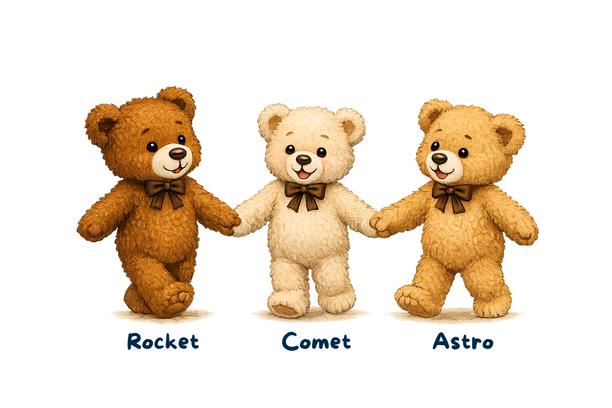
To celebrate this year's Literacy Backpack Day, we included a special activity booklet featuring three teddy bear characters inspired by the bears tucked inside the backpacks. Written by ABC's April MacDonald-Killins, Research and Evaluation Coordinator, the story explores themes of individuality, friendship, and belonging while reminding children that everyone has unique strengths to share. We are pleased to share the story below as a companion to this Early Years Exchange!
The sun was shining, the breeze was light. The playground was ready for teddy’s delight.
One bear sat on a seesaw seat and wished to raise his fuzzy feet.
Rocket was ready to rise and fall, but the other seat wouldn’t move at all!
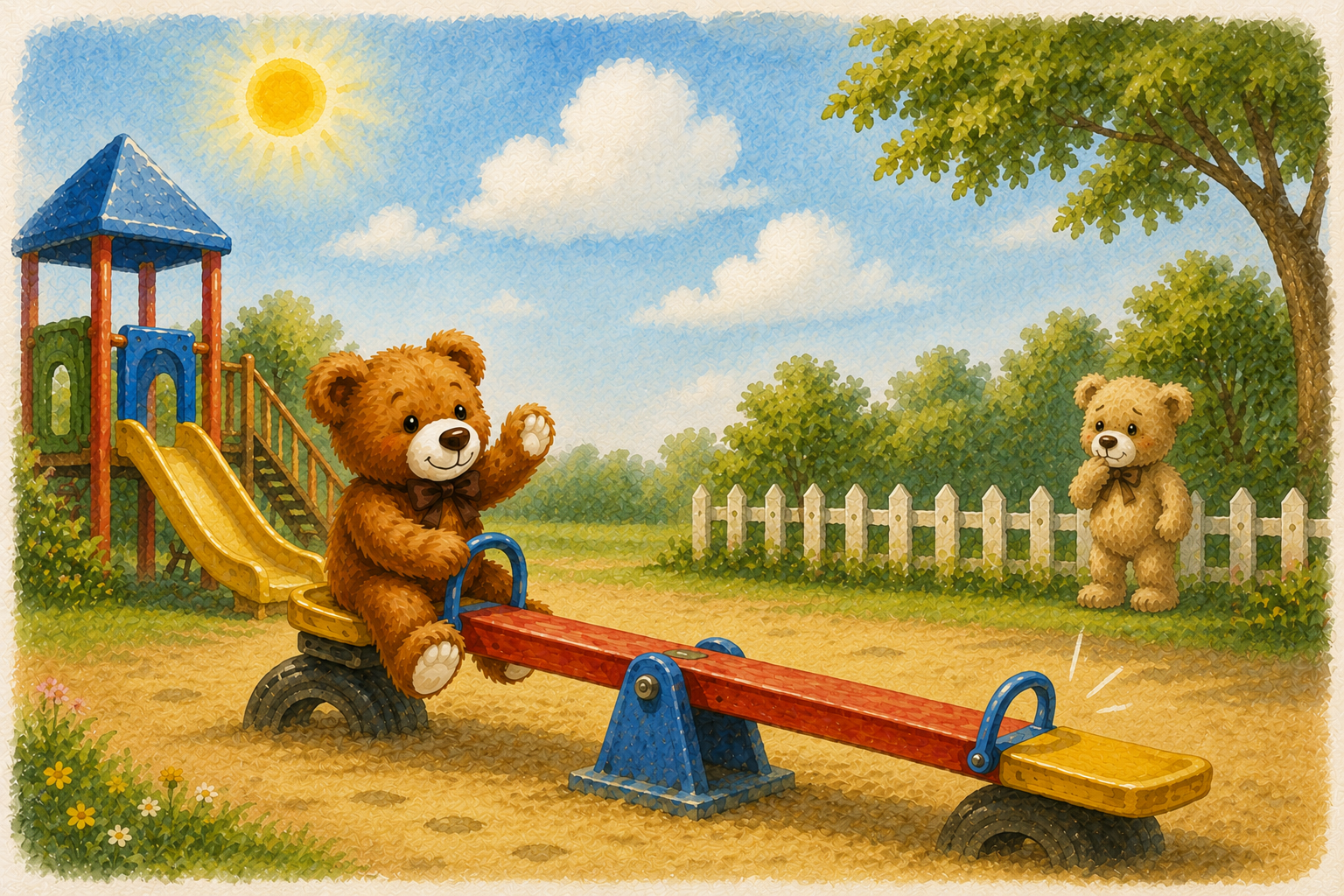
Rocket had no words to share, but he saw and signaled another bear.
He waved one hand and looked with a smile.
He patted the seat and cooed for a while.
Astro watched from far away. It felt too scary to join in play.
This bear felt shy, not ready yet - but wanted to try… just a bit.
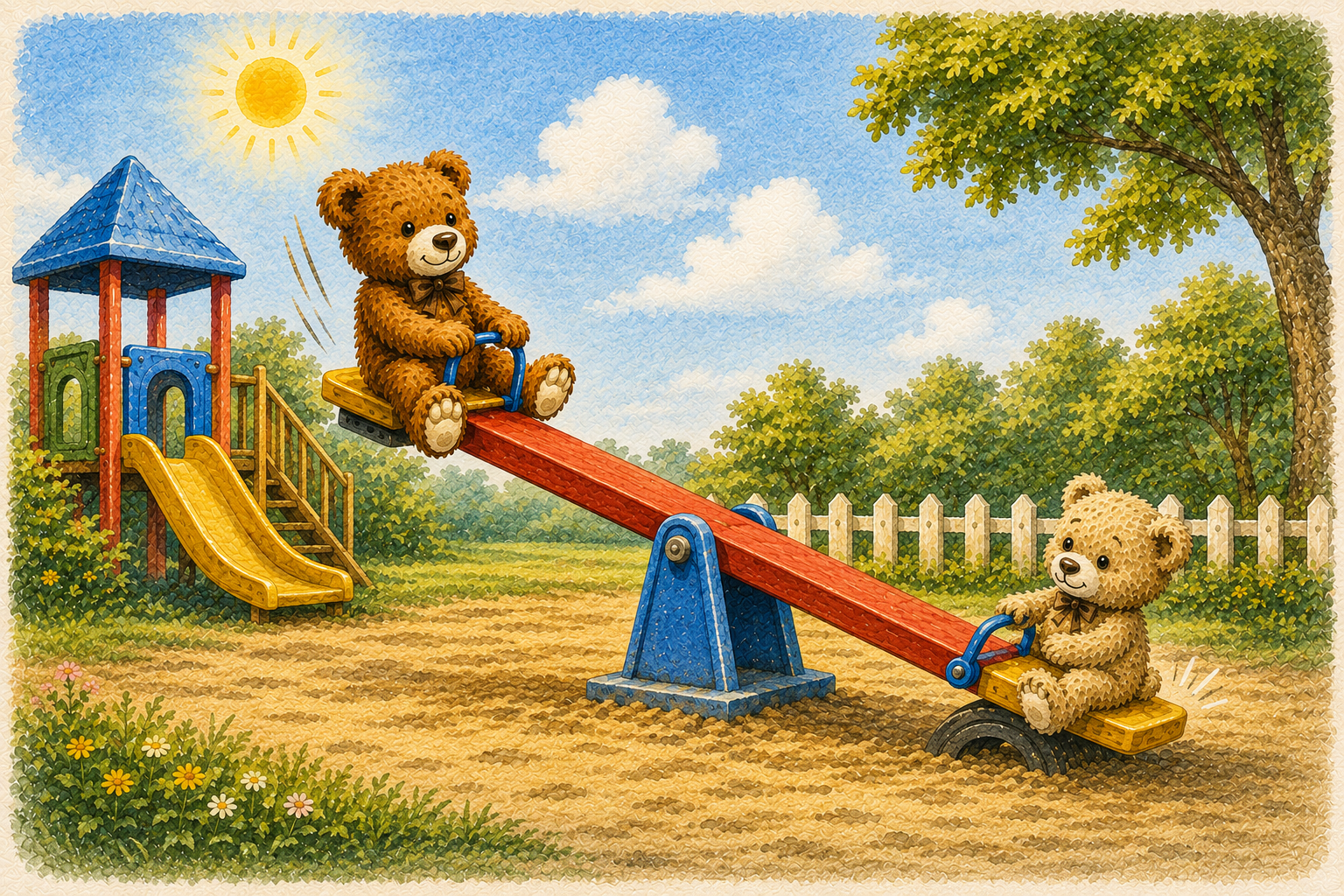
Rocket stayed back, until Astro felt safe.
Then both bears teetered - oh so brave!
Up a little, down a bit,
The distance between them was a perfect fit!
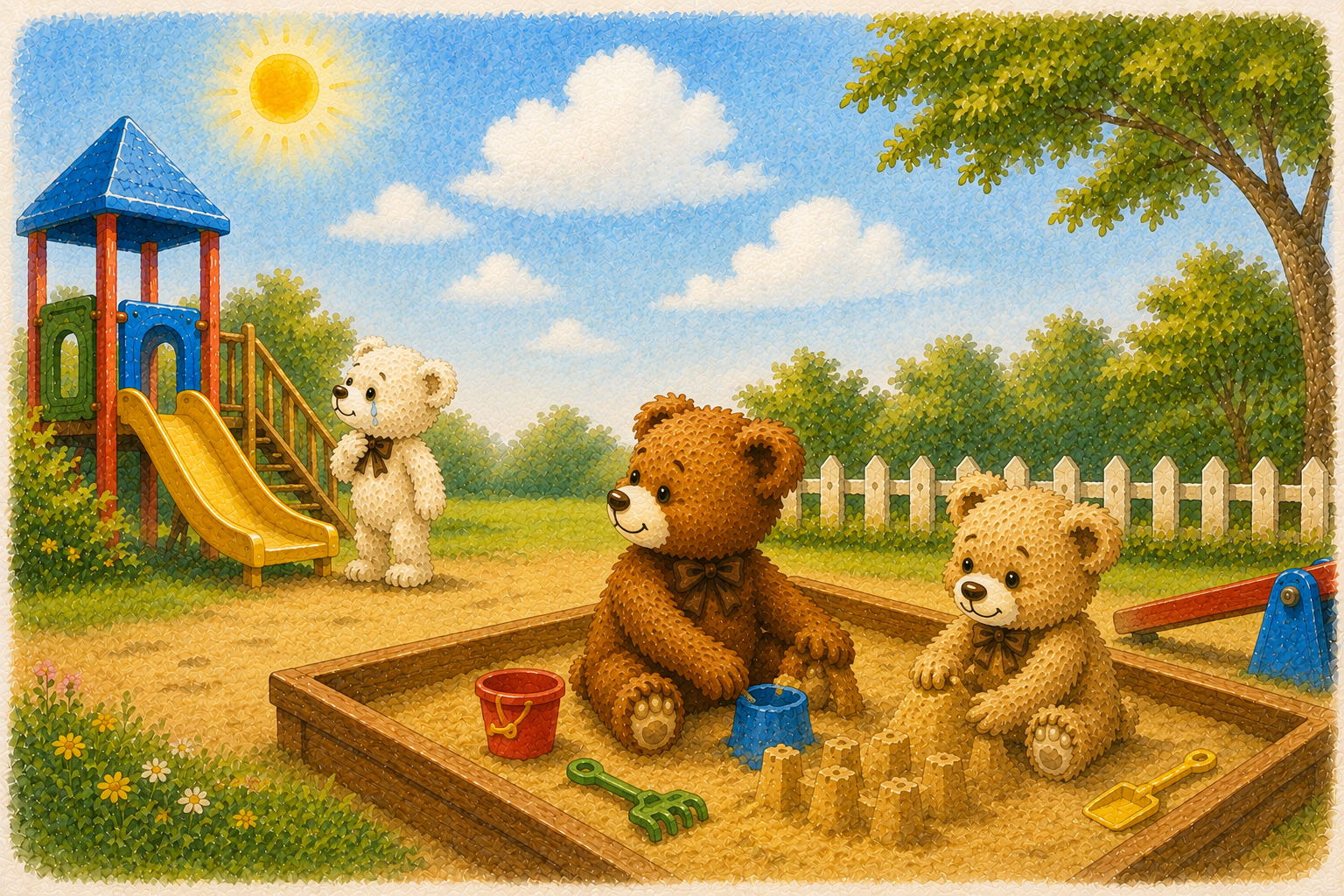
Then they saw Comet near the slide,
A bear looking up like she wanted to ride.
Rocket looked over with inviting eyes, but she shook her head and muddled her cries.
“I don’t like how the sand feels” Comet said. “It’s scratchy and the sound of it hurts my head!”
Rocket wanted Comet to play so he said, “we'll find another way.”
They laid on the ground to break her fall
so she didn’t have to land in the sand at all.
Soon she was sliding and laughing with glee,
forgetting the sand, happy and free.
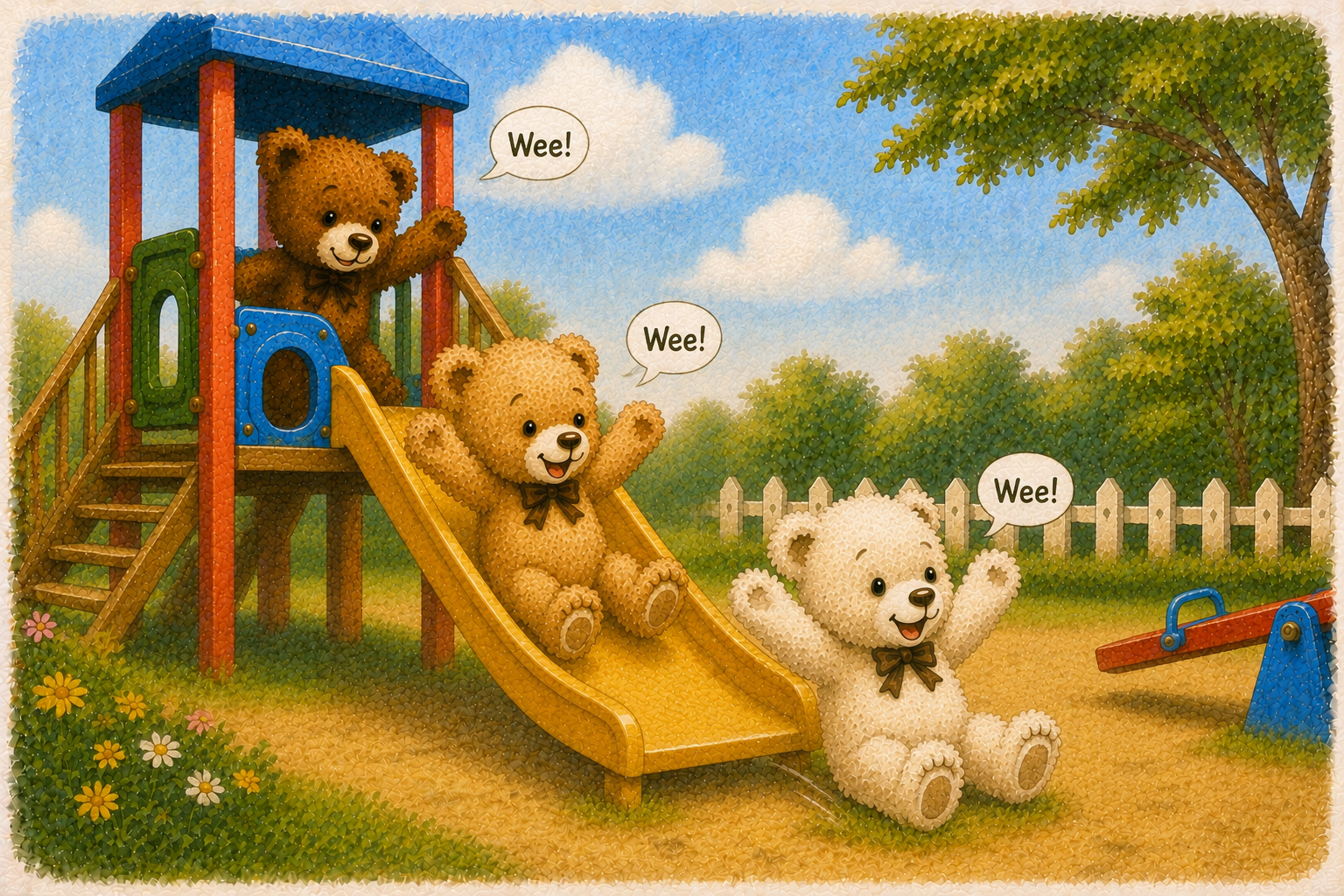
And what did three bears learn today? When kind bears care, ALL bears can play!
"Some bears like sand and some like slides.
Some need quieter ways and gentler rides.
Friends don't have to be the same to play.
They can help each other find their own special way.”