
Speech, Sensory, and Social Development: What’s Typical — and When to Ask for Support
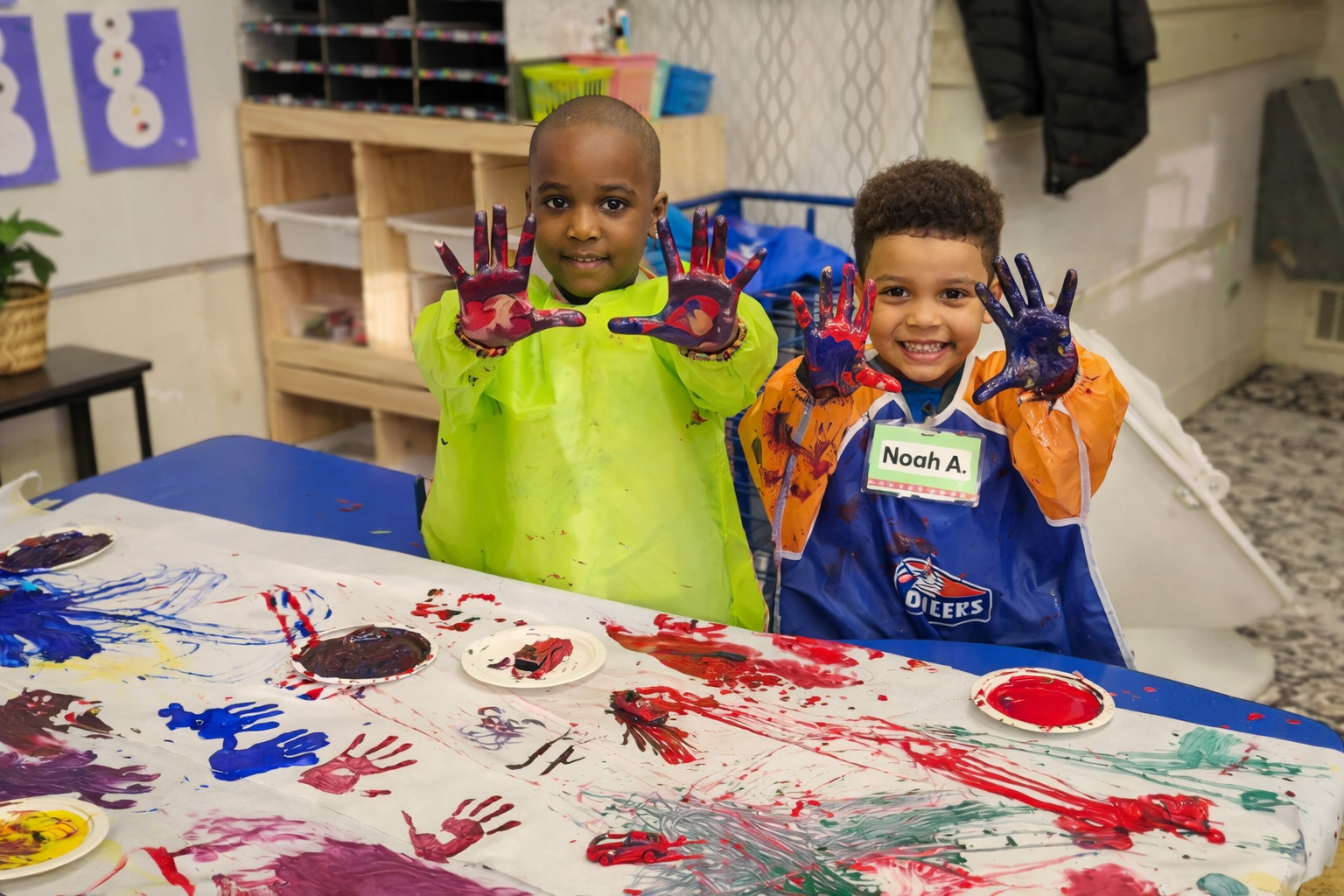
In early childhood education, development isn’t measured by a single skill or milestone. It shows up across communication, self-care, play, and emotional regulation — often in the middle of ordinary days.
Children change quickly, and not always evenly. One week they may do something independently; the next, they may need more support again. For families, it can be hard to know which challenges are part of typical development, and which ones may signal the need for extra support.
At ABC Head Start Society, we walk alongside families as they navigate these questions.
Development Is Not One Skill at a Time
Speech and language, sensory processing, and social-emotional development grow together. When one area feels challenging, it often affects the others. A child who struggles to communicate may show frustration through behaviour. A child who feels overwhelmed by sensory input may withdraw socially. None of this happens in isolation.
Rather than focusing on what a child can’t do yet, we look at patterns, context, and how a child experiences their world.
Below are some common developmental patterns we often see around ages 3, 4, and 5 — and gentle guidance on when it may help to ask questions.
Around Age 3: Exploring Independence and Expression
At three, children are discovering their voices and their sense of self — often at the same time as big emotions. Socially, they are just beginning to understand that other children exist alongside them.
What You Might See | What It Often Means
Short phrases, gestures, or pulling adults toward what they want
Communication is developing, even if words are limited.
Strong reactions to noise, textures, or transitions
Sensory systems are still organizing.
Playing beside other children rather than with them
This is called parallel play and is a normal stage of social development.
Limited sharing or turn-taking
Three-year-olds are not yet wired for true sharing; adult support is expected.
Big emotions that require adult support to settle
Co-regulation is expected and healthy at this age.
When families often ask for support:
When frustration feels constant, communication attempts are very limited, or a child has difficulty engaging with others in any way.
Around Age 4: Growing Confidence, Growing Challenges
Four-year-olds are expanding their social world. They want friends, but they’re still learning how friendships work — and mistakes are part of that process.
What You Might See | What It Often Means
Longer sentences and lots of questions
Language is expanding rapidly.
Comfort at home, quietness in groups
Different environments place different social and sensory demands.
Beginning cooperative play
Children may play together for short periods, often with adult guidance.
Difficulty with sharing, waiting, or losing games
These skills are still developing and require practice and support.
Improved regulation, with limits
Emotional control is growing, but big feelings still show up.
When families often ask for support:
When group settings feel overwhelming, peer interactions consistently break down, or emotions regularly interfere with learning or connection.
Around Age 5: Preparing for Structure and School
By five, many children are developing stronger social awareness — but they still need support navigating expectations, routines, and relationships.
What You Might See | What It Often Means
Back-and-forth conversation
Communication is becoming more flexible and purposeful.
Emerging friendships
Children may name preferred friends, though relationships can change often.
Better understanding of sharing and turn-taking
These skills are improving, but still need reminders and modelling.
Ability to follow routines with preparation
Predictability helps children feel safe and confident.
Occasional overwhelm in busy or structured settings
Regulation skills are still developing, especially under pressure.
When families often ask for support:
When a child struggles to connect with peers, feels overwhelmed by group expectations, or has difficulty communicating needs in structured environments.
A Note for Every Age
Children don’t move through development on a checklist or fixed timeline. Some communicate more through movement, gestures, or visuals. Some need extra sensory support to feel calm and ready to learn. Some connect socially in quieter or less typical ways.
These differences are part of the wide range of how children grow.
What matters most is not when a child reaches a milestone, but whether they feel supported — and whether their environment is helping them succeed.
Trust Your Instincts — and Start the Conversation
If something feels persistent, confusing, or stressful, it’s okay to ask questions. Reaching out doesn’t mean something is “wrong.” It means you’re paying attention.
Starting the conversation might look like:
Sharing observations with your child’s teaching team
Noticing patterns across home, school, and community settings
Asking what supports or strategies might help your child feel more successful
Exploring small adjustments to routines, communication, or the environment
Early conversations often focus on supporting skills, not identifying problems.